How to Sell a Character Home in Webster Groves
June 4, 2026
June 4, 2026
Wondering how to sell an older Webster Groves home without losing the charm that makes it special? If your house has original woodwork, vintage windows, masonry details, or a classic front porch, you may be asking the same question many local sellers do: what should you preserve, what should you fix, and what will buyers actually pay for? The good news is that character still matters in Webster Groves, but buyers also want confidence in condition, maintenance, and move-in readiness. This guide will walk you through how to prepare, price, and position a character home so you can move forward with a smart plan. Let’s dive in.
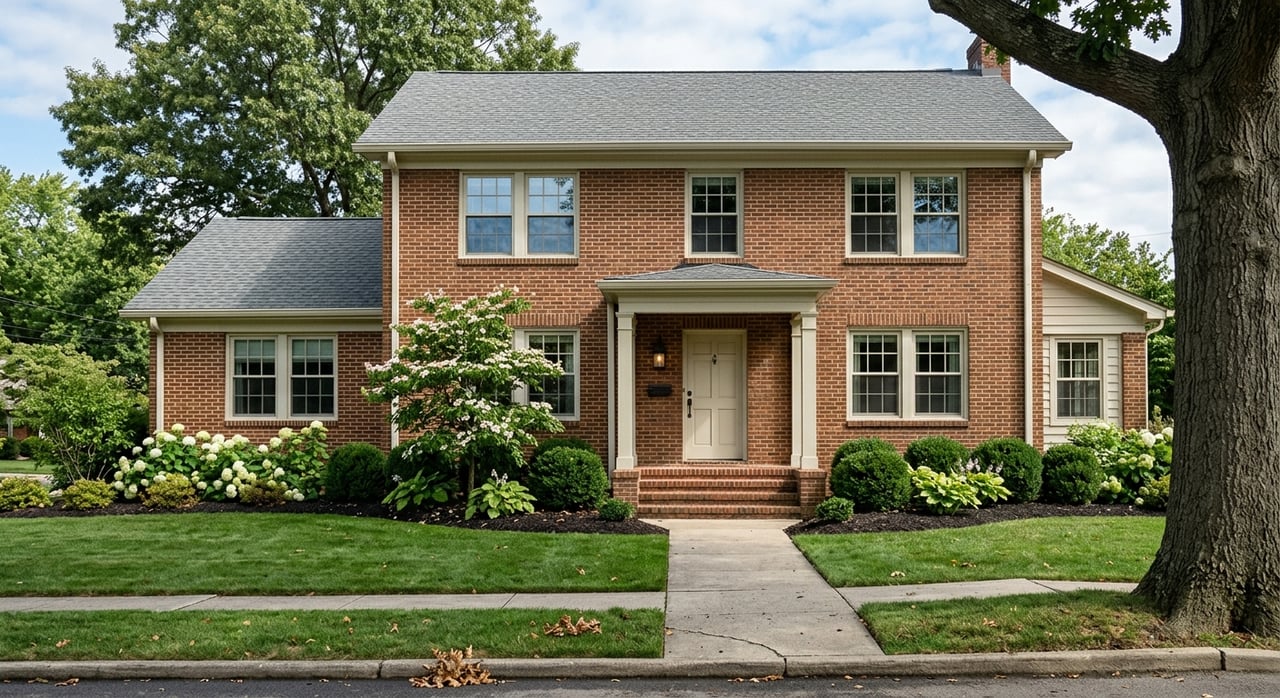
Webster Groves is known for tree-lined streets, walkable neighborhoods, and historic business districts. The city also highlights its strong collection of older and historic buildings, and that local identity shapes what many buyers notice first when they shop here.
That means original details can absolutely help your home stand out. Features like wood windows, masonry, trim, rooflines, and traditional architecture often add to the appeal, especially when they look cared for rather than neglected.
At the same time, character alone does not guarantee a strong sale. In today’s market, buyers tend to respond best when charm is paired with clear upkeep, visible maintenance, and realistic pricing.
Recent public market snapshots place Webster Groves home values broadly in the high-$300,000s to low-$400,000s, depending on the source and time period. Reported median or average figures have ranged from about $380,803 to $427,994, with days on market commonly falling between 17 and 31 days.
The clearest takeaway is not one exact number. It is that Webster Groves remains a relatively competitive market by St. Louis standards, but pricing still matters a great deal.
One recent market snapshot showed a 100.4% sale-to-list ratio, with 42.7% of homes selling above list price and 16.1% showing price drops. That tells you well-prepared, well-priced homes can attract strong interest, while overpriced homes may sit longer or need a reduction.
When you sell a character home, it helps to price the home based on its full picture, not just its style. Buyers may love original features, but they will still compare your home’s condition, systems, layout, and needed repairs against other options in the area.
A beautiful older home with peeling paint, drainage issues, or outdated safety items may not earn the same response as a similar home that feels maintained and ready. Buyers often pay more confidently for charm they do not have to rescue.
This is where local strategy matters. A thoughtful pricing plan should reflect both the emotional value of the home’s character and the practical reality of what a buyer will likely need to address next.
Before you start repairs or exterior updates, check whether your home is in one of Webster Groves’ local historic districts. The city recognizes Central Webster, Webster Park, Marshall Place, and Old Webster, and the Historic Preservation Commission helps protect and guide work in those areas.
If your home is in a designated historic district or is a landmark, certain exterior changes may require a Certificate of Appropriateness. Depending on the project, the city’s review process can involve plans, elevations, photos, a survey, and sometimes a building permit.
This matters because a last-minute pre-listing project can turn into a longer process if approvals are needed. If you are thinking about exterior repairs, window changes, masonry work, or other visible updates, it is wise to start early.
In Webster Groves, older homes usually show best when updates respect the architecture rather than erase it. Buyers looking for a character home are often drawn to the original details that make the property feel distinct.
Local preservation guidance for Old Webster reinforces that approach. It encourages preserving visible roof shapes, original masonry features that contribute to the style, and original wood windows and muntin patterns where possible.
That does not mean you should leave everything untouched. It means your improvements should support the home’s identity instead of turning it into a generic remodel.
If you are deciding where to spend money before listing, start with the issues buyers and inspectors tend to notice right away. Webster Groves’ common-violation guidance offers a very practical roadmap, especially for older homes.
The strongest pre-listing investments are often basic but important. They help your house look cared for, reduce buyer hesitation, and support a smoother path through inspections.
Consider focusing on items like these:
These are not flashy upgrades, but they often do more for buyer confidence than a trendy cosmetic project.
One of the most important things to know about selling in Webster Groves is the city’s housing inspection requirement tied to a sale or change in occupancy. The purpose is to identify Property Maintenance Code violations that must be corrected before the next occupancy.
Yes, a house can be sold as-is. But in Webster Groves, that does not mean a buyer can simply move in without required corrections being completed.
The city states that a Certificate of Compliance is issued only after violations are corrected, and that certificate is valid for up to three months. For sellers, that makes timing and preparation especially important.
This point often causes confusion. The city’s process does not replace a buyer’s private inspection, and the city makes that clear.
The Certificate of Compliance confirms corrected violations under the city’s process. It does not certify the overall condition of the home.
That means buyers may still hire their own inspector and raise additional concerns. If you prepare early, you can reduce surprises from both sides.
Older homes often have features buyers love, but they can also carry a longer maintenance list. Webster Groves’ inspection materials are especially helpful because they spell out many of the exact items that can come up.
Common issues can include:
The city also notes that code requirements can change over time. Something that was once acceptable may no longer pass today, even if it has been in place for years.
When you prep a character home, the goal is not to modernize every surface. The better strategy is usually selective improvement that strengthens condition, appearance, and function while keeping the home’s original appeal intact.
For example, historic windows and doors can often be repaired or upgraded for better efficiency rather than replaced outright. Preservation guidance supports options like caulking, weatherstripping, and storm windows before full replacement, especially when the original materials still contribute to the home’s look.
That same mindset applies across the property. Repair what is worn, stabilize what is failing, and refresh what buyers will see first, but avoid changes that remove the very features that make the home feel authentic.
In Webster Groves, prep work can take longer than sellers expect. Some repairs may involve city-registered contractors, and certain exterior projects may need review if the home is in a historic district.
Because occupancy-related violations must be corrected before move-in, it is smart to start inspections, contractor bids, and any approval process months before listing instead of after the home hits the market.
That timeline gives you more control. It also helps you avoid rushed decisions that can cost more and deliver less.
If your home was built before 1978, lead-based paint rules may apply. Federal law requires lead-based paint disclosure and delivery of the EPA pamphlet for most pre-1978 housing.
If you plan to disturb painted surfaces before listing, lead-safe renovation practices also matter. This is especially important in older homes where prep work may create dust during sanding, scraping, or repair.
Missouri law also requires written disclosure if the seller knows the property was used for methamphetamine production. While that is not specific to older homes, it is one more reason to approach pre-listing paperwork carefully and early.
The best marketing angle for a Webster Groves character home is usually honest and specific. Buyers respond to homes that feel both special and well maintained.
That means highlighting architectural details, craftsmanship, and setting, while also being ready to show what has been maintained, repaired, or addressed. A home with charm and a credible condition story often feels less risky to buyers.
In practical terms, your selling plan should aim to do three things:
That combination is often stronger than a broad cosmetic overhaul. In Webster Groves, character tends to be a selling feature when it is paired with code compliance, selective repairs, and thoughtful presentation.
If you are preparing to sell a character home in Webster Groves, the right strategy can make all the difference. The Julie Moran Team can help you build a practical plan for pricing, preparation, and presentation so you can move forward with clarity.
October 22, 2026
October 15, 2026
October 8, 2026
October 1, 2026
September 24, 2026
September 17, 2026
September 15, 2026
City, County, or St. Charles? Your Local's Guide to Living in Greater St. Louis

September 10, 2026
August 27, 2026
When selling or buying a home, every single one of your concerns matters. Julie Moran Team's greatest source of pride is listening to their clients. They will guide you in the right direction. They are on your side. Julie Moran Team's greatest wish is that your real estate dreams materialize.
16505 Wild Horse Creek Rd Chesterfield MO 63017