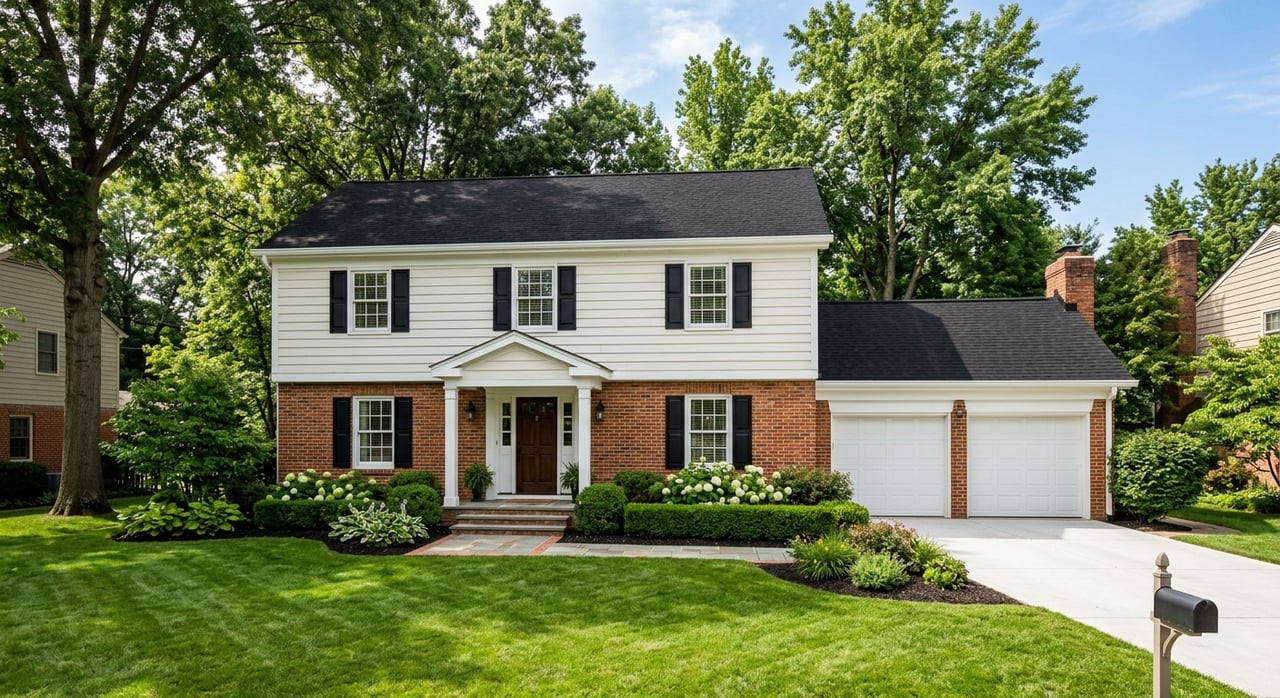
Selling And Buying At The Same Time In St. Peters
July 23, 2026
July 23, 2026
Trying to sell your current home while buying the next one in St. Peters can feel like solving a puzzle with moving boxes stacked around you. You want strong sale proceeds, a smooth purchase, and as little disruption as possible, but the timing rarely lines up perfectly on its own. The good news is that with the right plan, you can reduce surprises, protect your budget, and move with more confidence. Let’s dive in.
If you are selling and buying at the same time, your biggest challenge is usually timing, not motivation. In St. Peters, public market snapshots suggest an active market, even though the numbers vary by source.
Redfin reports a median sale price of $334,800, about 15 days on market, and an average of four offers per home, with 46.5% of homes selling above list. Zillow shows an average home value of $327,776 and about five days to pending, while Realtor.com reports a median listing price of $330,000 and 36 days on market and labels the market as buyer-leaning in June 2026. The practical takeaway is simple: you should not assume a long runway, and you should verify current neighborhood-level conditions before choosing your strategy.
Before you choose a plan, it helps to answer one key question: how much uncertainty can your budget handle? Some homeowners are comfortable carrying overlap for a short period, while others want to know exactly what they will net from the sale before making the next move.
Your best path usually depends on three things:
This is where a local, step-by-step strategy matters. A citywide average can be helpful, but your timeline should be built around your actual price point, neighborhood demand, and financial comfort level.
For many homeowners, selling first is the cleanest financial option. It gives you a clearer picture of your net proceeds before you write an offer on the next home, and it lowers the chance that you will need short-term borrowing to bridge the gap.
The tradeoff is timing. If your current home closes before your next purchase is ready, you may need temporary housing, storage, or a flexible moving plan.
A sell-first strategy often works well if you:
Buying first can feel less disruptive because you secure your next home before giving up your current one. If you have enough equity, cash reserves, or financing options, this approach can give you more control over your moving timeline.
The main downside is cost. You may need to carry two homes for a period of time, and that can add pressure if your current home takes longer to sell than expected.
A buy-first strategy may make sense if you:
If sell-first feels too rigid and buy-first feels too risky, a contingent strategy can land in the middle. A home sale contingency allows you to make an offer on a new home while giving yourself a set period to sell your current one.
This can protect you from owning two homes longer than planned, but it can also make your offer less attractive depending on what sellers are seeing in the market at that moment. In some cases, sellers may continue showing the property or include a kick-out clause, which allows them to keep your contract in place while accepting a better offer if your sale does not move forward in time.
If you are trying to line up both closings closely, remember that accepted contracts often still take about 30 to 45 days to close. That means your plan needs to be built well before you reach the contract stage.
When timing does not line up cleanly, financing can help bridge the gap. The right option depends on your equity, your income, and how much risk you want to take on.
A bridge loan is designed specifically to cover the gap between buying a new home and selling your current one. CFPB describes bridge loans as temporary loans with a term of 12 months or less, including loans used when you plan to sell your current home within that window.
This can be a practical fit for a same-market move, but you still need to be comfortable with the added loan costs and the pressure of completing the sale on schedule.
A HELOC is a line of credit secured by your home equity. It can provide flexible access to funds, but CFPB notes that it may come with fees, variable payments, and the risk that access could be reduced or frozen if your finances or property value change.
That flexibility can be useful, but it is not the same as certainty. If you are depending on a HELOC, you need to understand how it affects your monthly payment and your purchase budget.
A home equity loan gives you a lump sum up front. That can work if you need a fixed amount for your down payment or closing costs and want more predictable repayment terms than a revolving line of credit.
It is still debt secured by your current home, so it works best when you have a clear repayment plan tied to your sale timeline.
A cash-out refinance replaces your current mortgage with a larger one and gives you the difference in cash. This can unlock equity, but it also means changing the financing on the home you are about to sell.
Because this option involves closing costs and a full refinance, it usually requires a careful look at whether the timing and expense really support your move.
A rent-back can be one of the most useful tools for a dual move. It allows you, as the seller, to remain in the home for a negotiated period after closing while giving the buyer ownership.
This can buy you a few extra days or weeks if your purchase closes shortly after your sale. The terms should be specific, including compensation, move-out dates, and responsibilities during the post-closing occupancy period.
A rent-back is helpful for timing, but it is not a substitute for a solid purchase budget. Research cited here notes that rent-back credits cannot be used as an eligible source of funds for a buyer’s closing costs, down payment, or reserves when qualifying for the new loan.
Even the best plan can hit a timing snag. If your sale closes before your purchase, you will want a real backup plan instead of hoping for a perfect handoff.
That matters in St. Peters because rental costs are not small. Zillow reports an average rent of $1,736, while Realtor.com reports a median rental price of $2,372 for June 2026.
If you may need a short-term stay, build these possible costs into your plan early:
When you know the possible cost of a gap, you can make better decisions about whether a rent-back, later closing, or bridge-style financing is worth it.
When you are juggling two transactions, vague contract language can create expensive problems. Contingencies, deadlines, and occupancy terms should be clearly spelled out, especially if your move depends on one closing happening before the other.
That includes details like:
Small timing details can affect your leverage, moving calendar, and out-of-pocket costs. Clear terms matter because once a contract is accepted, the closing timeline starts moving quickly.
A same-time sale and purchase usually feels hardest in the final stretch. Mortgage closings generally involve a Closing Disclosure at least three business days before closing, and the final walk-through typically happens on or near the close date.
That means your moving calendar should be built around lender, title, and contract deadlines, not just your preferred moving day. If you wait too long to coordinate movers, storage, utility transfers, and possession timing, the last week can become much more stressful than it needs to be.
There is no one-size-fits-all answer for selling and buying at the same time in St. Peters. In an active but mixed market, the best plan depends less on broad headlines and more on your neighborhood, your equity, and your comfort with risk.
For some homeowners, selling first will bring the most peace of mind. For others, a buy-first approach, a home sale contingency, or a rent-back may create the smoother path. What matters most is choosing a strategy that fits your numbers and building enough flexibility into the plan before you list or offer.
If you are preparing for a move-up purchase, downsizing step, or relocation within St. Charles County, the right guidance can make the process much more manageable. The Julie Moran Team can help you create a clear plan for pricing, preparation, timing, and next steps.

September 3, 2026

August 27, 2026

August 20, 2026
August 13, 2026
August 6, 2026
August 6, 2026
July 23, 2026
July 16, 2026

July 9, 2026
When selling or buying a home, every single one of your concerns matters. Julie Moran Team's greatest source of pride is listening to their clients. They will guide you in the right direction. They are on your side. Julie Moran Team's greatest wish is that your real estate dreams materialize.

16505 Wild Horse Creek Rd Chesterfield MO 63017