Wondering what HOA fees in St. Peters actually cover and how to tell if they are a good value? You are not alone. Many buyers love neighborhoods with pools, trails, and a clubhouse, but want clarity on the monthly cost and what is included. In this guide, you will learn what fees typically pay for, how amenities drive costs, the documents to review, and the questions to ask before you commit. Let’s dive in.
What HOA fees usually cover
HOA fees fund shared services that keep a community running smoothly. While every association is different, most St. Peters area HOAs include some mix of the items below.
Common-area maintenance
- Landscaping for entrances and shared green spaces
- Mowing, tree care, mulching, and seasonal plantings
- Trail and pathway upkeep, surface repairs, and drainage
- Street lighting where the HOA maintains it, and entry monument care
Amenities operation and upkeep
- Pools, including lifeguards, chemicals, cleaning, fencing, and insurance
- Clubhouse utilities, cleaning, furnishings, and any staffing or reservation systems
- Fitness rooms, tennis courts, playgrounds, and picnic shelters, including resurfacing and equipment replacement
- Trail maintenance, erosion control, and bridge or structure repairs
Utilities and service contracts
- Water for irrigation or common areas
- Trash and recycling service, if included in your community’s contracts
- Electricity for lighting, clubhouses, and pool equipment
Insurance and administration
- Master insurance for common areas and amenity liability (not your personal property)
- Directors and officers coverage and fidelity bonds
- Legal and accounting fees
- Management company fees or administrative costs if self-managed
Reserve funds and capital projects
- Regular contributions to a reserve fund for big-ticket items
- Examples include pool replastering, paving, roof replacement on shared buildings, and playground replacement
Management, enforcement, and staffing
- On-site managers or security personnel in gated or larger communities
- Covenant enforcement, compliance notices, and collections
One-time or occasional charges
- Special assessments for capital projects or emergency repairs
- Transfer, move-in, move-out, or estoppel fees during a sale
- Fines for CC&R violations
How fees vary by home type
Different housing types in St. Peters and St. Charles County typically carry different fee levels because the scope of what the HOA maintains changes.
Single-family subdivisions
- Often the lowest regular dues because you maintain your own home exterior
- HOA usually handles entrances, shared landscaping, trails, parks, and sometimes trash service
- Ballpark dues are commonly modest monthly or annual amounts that sit in the tens to low hundreds per month, depending on amenities and management
Townhomes
- Mid-range dues because exterior maintenance is often shared
- HOA commonly covers roofs, siding, and sometimes shared utilities and insurance for common elements
- Fees depend on the age of the community, amenity mix, and whether there is professional management
Condominiums
- Typically the highest dues due to building insurance, exterior maintenance, shared systems, and sometimes on-site staff
- Elevators, garages, or complex mechanical systems add cost
Always confirm the exact inclusions and fee schedule for the specific community you are considering.
How amenities influence costs
Amenities create value, but they also add operating and long-term replacement costs. Understanding these tradeoffs helps you choose wisely.
Pools and clubhouses
- Operating costs include lifeguards, chemicals, cleaning, utilities, and insurance
- Major pool replastering can occur every 10 to 20 years and is a planned capital expense
- Clubhouse updates or renovations can prompt special assessments if reserves are not adequate
Trails, courts, and playgrounds
- Routine maintenance is usually minor year to year
- Resurfacing trails or courts and replacing playground equipment are significant capital events
Private roads, gates, and security
- Maintaining private streets or gated entries adds ongoing and long-term costs
- Security staffing or monitored systems can increase dues
How to evaluate an HOA’s financial health
Looking under the hood of the HOA’s budget and reserves helps you spot future cost risk.
Documents to review
- Annual budget and recent financial statements
- Current reserve study and the reserve fund balance
- Dues increase history and any special assessments in the last 3 to 5 years
- Delinquency report for dues and the association’s collection policy
- Meeting minutes for the past 6 to 12 months
- Certificate of insurance with deductible details and coverage scope
- Management contract and major vendor agreements
- Litigation disclosure and any pending or threatened legal matters
Red flags to watch
- No reserve study or an outdated one
- Minimal reserves compared to expected capital needs
- Frequent or large special assessments in recent years
- Rising delinquencies on dues
- Ongoing litigation or repeated large legal bills
- Visible deferred maintenance on amenities
Know what insurance covers
- Master policies vary by community, especially for condos
- Understand what the association covers and what you need to insure on your own policy
- Ask about the association’s deductible and when owners might be responsible for a share
Smart questions to ask before you buy
- How much are current dues, and are they billed monthly, quarterly, or annually?
- When were dues last raised, by how much, and are increases planned soon?
- Is there a current reserve study? How much is in reserves and what is the annual contribution?
- Have there been any special assessments in the last five years? Are any being discussed?
- Which amenities are included, and are any out of service or scheduled for replacement?
- Who manages the HOA, and is it professionally managed or self-managed?
- What is the current delinquency rate on dues?
- Are there any ongoing lawsuits?
- What does the master insurance policy cover vs. what should I cover on my own policy?
- Are rentals allowed, and are there occupancy or leasing restrictions that could affect plans?
- What are the transfer, move-in, or other one-time fees at closing?
- Are there rules or fees for exterior changes like fencing or decks?
Local St. Peters considerations
St. Peters offers strong municipal amenities. The city provides parks, trails, and pools that many residents already use. When a neighborhood also offers similar amenities, compare the value of paying for both through taxes and HOA dues.
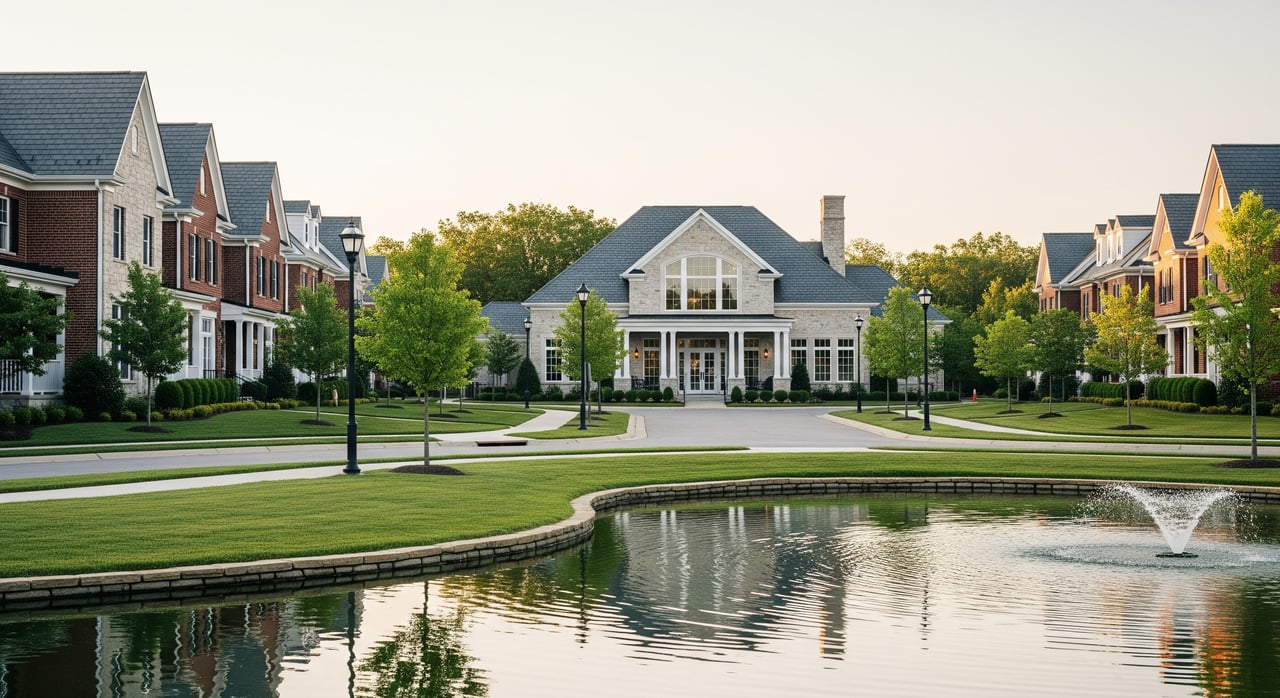
Many newer subdivisions across St. Charles County include neighborhood pools and trail systems. Those amenities are a lifestyle perk, but they require ongoing staffing and future capital repairs. Older communities may have lower dues but could be approaching larger replacement projects if reserves are thin.
Also compare utility and service costs. If an HOA includes trash and recycling, that can offset other municipal fees. Ask your agent to help you line up the numbers so you can see a true apples-to-apples monthly cost.
What to expect at closing and with financing
- Most lenders will review HOA financial health for condos and some attached properties
- An estoppel or resale certificate confirms the current dues, special assessments, and account status
- Expect transfer or initiation fees at closing based on the HOA’s rules
- Coordinate your individual homeowners or condo policy with the master insurance policy to avoid gaps
Make a confident decision in St. Peters
When you understand what HOA fees pay for and how to gauge long-term costs, you can compare neighborhoods with clarity. Review the budget and reserves, ask targeted questions, and weigh the value of amenities against the lifestyle you want. If you are choosing between several St. Peters communities with pools, trails, and clubhouses, these steps will help you pick the right fit and avoid surprises later.
Want a second set of eyes on HOA documents or help comparing communities across St. Peters and St. Charles County? Reach out to the Julie Moran Team for local insight and calm, step-by-step guidance.
FAQs
What do HOA fees typically cover in St. Peters?
- Most HOAs fund common-area landscaping, amenity operations like pools or clubhouses, utilities for shared spaces, master insurance for common areas, management, and reserves for future repairs.
How much are HOA fees for single-family homes in St. Peters?
- Dues vary by community and amenity mix, but single-family subdivisions often have modest monthly or annual dues that commonly fall in the tens to low hundreds per month.
What is an HOA special assessment and when does it happen?
- A special assessment is a one-time charge for capital projects or emergencies, usually when reserves are not sufficient to cover a major repair or replacement.
How do reserve funds affect my future costs in an HOA?
- Well-funded reserves reduce the chance of sudden, large special assessments by saving in advance for big-ticket items like pool replastering or paving.
Which documents should I review before buying into an HOA in St. Peters?
- Ask for CC&Rs, bylaws, rules, the annual budget, recent financials, reserve study and balance, meeting minutes, insurance certificate, delinquency report, any special assessment notices, and the estoppel or resale certificate.
Does the HOA’s master insurance policy cover my home or belongings?
- Master insurance typically covers common areas and shared elements, not your personal property; confirm coverage details and deductibles, then tailor your individual policy accordingly.
Are neighborhood pools and clubhouses worth higher dues in St. Peters?
- It depends on how often you will use them and the HOA’s long-term plan; compare dues and reserves to the lifestyle value you expect to get from those amenities.