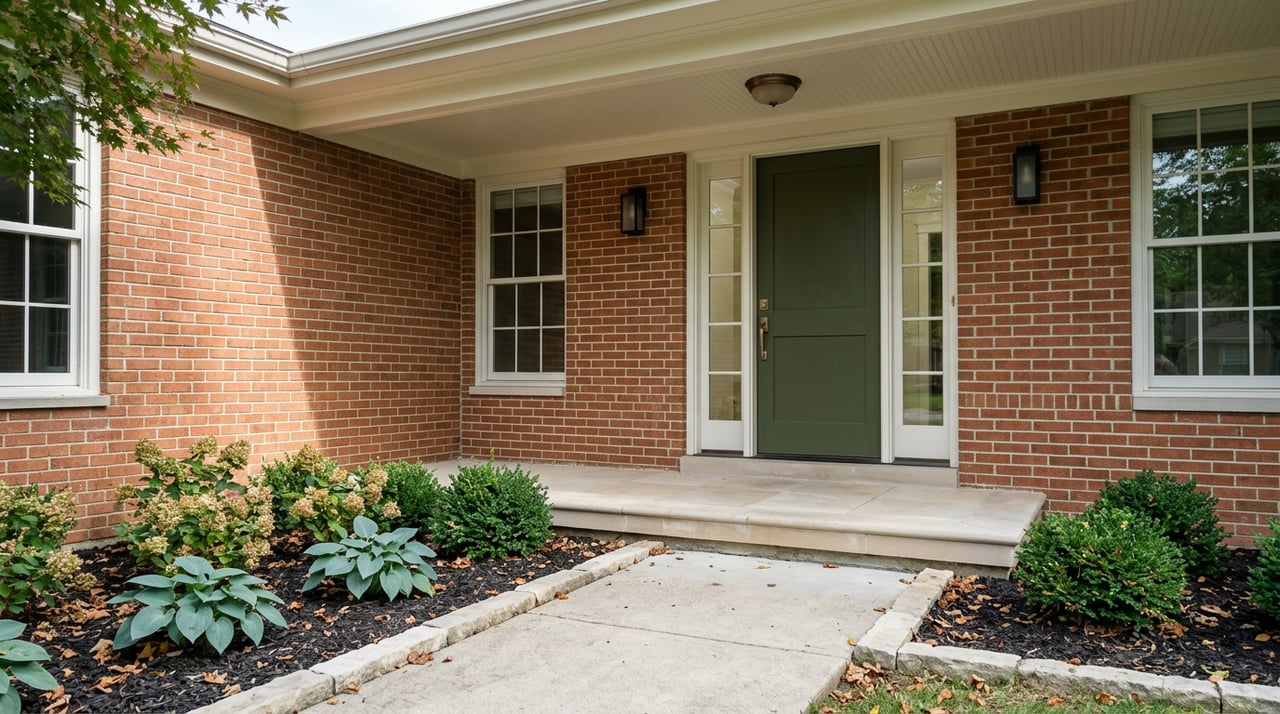
Downsizing in Town and Country: Explore Your Best Options
March 24, 2026
March 24, 2026
Want less house without giving up your favorite parks, doctors, and routines in Town and Country? You are not alone. Many long‑time residents want single‑level living and lower maintenance while staying close to friends and familiar places. In this guide, you will find clear options, realistic price ranges, tax basics, and a practical move timeline tailored to Town and Country.
Let’s dive in.
You enjoy the calm, green setting, local shops, and easy access to West County services. The city’s parks and community programs keep you connected. Longview Farm Park is a favorite for events and classes, and the city maintains several well‑loved parks that bring neighbors together. Explore the city’s flagship park on the Longview Farm Park page.
The area’s strong demographics also support property values. According to U.S. Census QuickFacts, Town and Country’s median household income is about $237,000, with a population near 11,600. You can review the data on the Census QuickFacts page.
If you want true lock‑and‑leave living with one‑level layouts, elevators, and covered parking, luxury condos can be a great fit. Newer buildings often include secure entry, underground or covered parking, and HOA coverage for exterior maintenance. As of early 2026, recent listings in Town and Country, including examples at Woods Mill Crossing, commonly showed units around 1,800 square feet in the $700,000 to $900,000 range. Expect premium finishes, thoughtful floor plans, and minimal upkeep.
Prefer a private yard without stairs? Updated ranch homes give you single‑floor living and the feel of a standalone house. Inventory is limited in Town and Country, and prices reflect the area’s upscale market. Recent listings suggest move‑in‑ready, single‑level homes often fall around $800,000 to $1.5 million, depending on lot size, renovations, and location. Prioritize wide hallways, step‑free entries, and a main‑level laundry for easy living.
Villas and attached homes balance privacy with low maintenance. You get exterior upkeep, snow removal, and smaller yards while keeping a home‑like feel. In and around Town and Country, many villas list between $500,000 and $900,000, with newer luxury options inside the city trending $700,000 and up. Look for main‑floor primary suites, attached garages, and HOA policies that match your maintenance goals.
If your goal is less house plus on‑site dining, housekeeping, and wellness services, consider independent‑living or continuing‑care communities in the West County area. Options like Mason Pointe and similar communities offer social programs, transportation, and care coordination. These are lifestyle choices rather than real estate purchases, and pricing models vary by entrance fee and monthly services. You can explore a local example on Seniorly’s page for Mason Pointe.
You may see very different median prices depending on the source and month you check. Town and Country has a small number of sales each month and a mix of estate‑level homes and low‑maintenance product. That small sample can swing medians. Recent snapshots from major market sites have shown typical home values around the low seven figures and, in some months, medians closer to the upper seven figures. The takeaway: use ranges and time‑stamped data, and rely on a local comparative market analysis for precise pricing when you are ready to move.
Typical early‑2026 ranges for downsizers include:
Larger estate‑level low‑maintenance options can exceed $2 million. Because new construction releases and a few high‑end closings can shift the picture quickly, check current comps before you set expectations.
Missouri assesses residential property at 19 percent of true market value. Local tax rates then apply to that assessed value. Review the definition on the Missouri State Tax Commission page. Town and Country’s city levy is a small portion of your total bill. The city reports a levy of $0.23 per $100 of assessed value, and its site explains how the city portion is calculated. See the City of Town and Country Taxes page for details. Remember that county, school district, and other districts make up most of the final bill.
When you sell your primary residence, you may be able to exclude up to $250,000 of gain if single or $500,000 if married filing jointly, provided you meet ownership and use tests. The IRS explains the rules and exceptions in Publication 523. Review the guidance on the IRS Publication 523 page and talk with your CPA about your situation, especially if you ever rented part of the home or used it for business.
Seasonal patterns still matter. Many industry studies find the strongest buyer activity in spring and early summer, often April through June. Staging, decluttering, and high‑quality photos and video help your listing stand out because first impressions are online. For a quick overview of why presentation matters, see this industry summary on timing and staging.
Town and Country has small, segmented inventory, so local timing can beat national trends. A focused plan can help you list when competing downsizer inventory is low and buyer attention is high. Ask for a data‑driven listing calendar tied to your target neighborhood and price band.
There is no one right way to line up the sale of your current home with the purchase of a smaller one. Consider these paths:
Run the numbers with a local lender and your agent so you understand cash flow, approvals, and timelines for each route.
Use this simple timeline to keep your move on track.
Downsizing does not mean giving up your lifestyle. You still get convenient access to West County medical corridors, shopping, and dining. You can enjoy familiar parks, trails, and community events at places like Longview Farm Park and Town Square. You keep your network, your routines, and the comfort of a community you already love.
Ready to map a plan that fits your timeline and budget? Let’s talk about current inventory, pricing, and which updates will help your home shine. Reach out to the Julie Moran Team for local guidance, thoughtful staging, and full‑service coordination from start to finish.
September 17, 2026
September 15, 2026
City, County, or St. Charles? Your Local's Guide to Living in Greater St. Louis

September 10, 2026
September 3, 2026
August 27, 2026
August 20, 2026
August 13, 2026
August 6, 2026
August 6, 2026
When selling or buying a home, every single one of your concerns matters. Julie Moran Team's greatest source of pride is listening to their clients. They will guide you in the right direction. They are on your side. Julie Moran Team's greatest wish is that your real estate dreams materialize.

16505 Wild Horse Creek Rd Chesterfield MO 63017