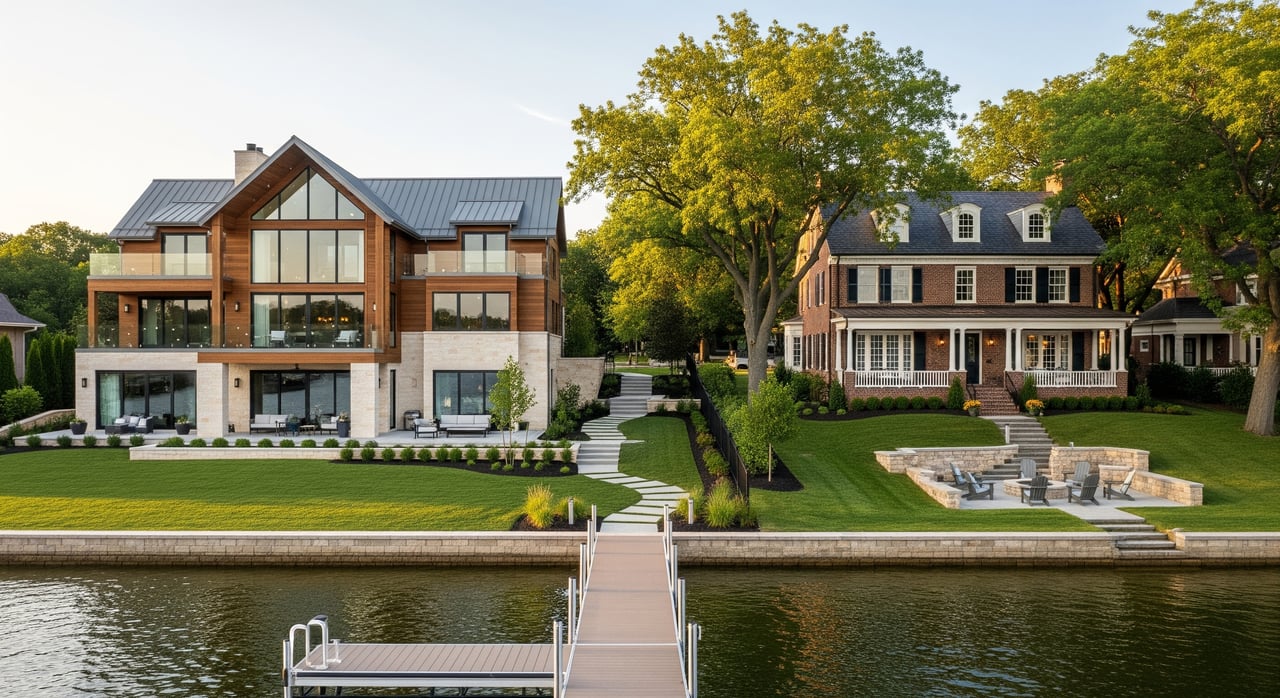
Comparing New Construction and Resale Homes in Lake St. Louis
January 15, 2026
January 15, 2026
Trying to decide between a brand-new build and a move-in-ready resale in Lake St. Louis? You are not alone. This choice affects your budget, timeline, and how you will enjoy lake-community amenities for years to come. In this guide, you will learn how the total cost of ownership, build timelines, warranties, HOA rules, and lot factors play out locally so you can compare options with confidence. Let’s dive in.
A resale home is often priced to reflect immediate occupancy. You can use inspection findings to negotiate price or repair credits, which may lower your upfront cost. You also see existing finishes, landscaping, and any deferred maintenance before you make an offer.
With new construction, the advertised price usually covers the base home. Many features buyers want are upgrades that raise the final price. Lots with premium attributes, like waterfront or cul-de-sac locations, may carry separate premiums. Builders sometimes offer incentives, such as interest rate buydowns or closing-cost help, which can offset some of those costs depending on inventory and market conditions.
Resale is the fastest path to keys in hand. Standard mortgage financing and a typical escrow give you a clear closing date. Spec or move-in ready new homes can also be quick, sometimes within weeks.
Built-to-order homes involve longer timelines. Production homes often take 2 to 6 months, semi-custom builds commonly run 6 to 12 months, and fully custom projects can extend 9 to 18 months or more. Weather, permitting, and site prep in eastern Missouri can add time, especially during winter freezes or heavy spring rains.
New homes usually include modern insulation, windows, HVAC systems, and appliances. That can mean lower utility bills and fewer immediate repairs in the first years. Resale homes may have lower prices per square foot, but plan for near-term replacements like a roof or mechanical systems if they are at the end of their typical life.
When you compare new vs resale, look beyond purchase price. Your monthly and annual costs matter just as much.
If you plan to build or buy new, the calendar matters. In Lake St. Louis, permits and inspections are handled by the City of Lake Saint Louis Building Department for in-city lots or by the St. Charles County Building Division for county parcels. Permit reviews, required submittals, and inspection schedules affect your total timeline. Before you sign a contract, confirm current permitting timelines with the right jurisdiction.
Weather and site conditions also influence schedules. Tree removal, grading, soil correction, and utility connections can add weeks or months. Ask for a written timeline with milestones, along with a clear process for delays related to weather or supply chain.
For resale, your timing centers on inspection periods, appraisal, and loan processing. If you need to move quickly, ask your lender for a realistic close date and lock your rate with calendar room for any minor delays.
Many builders use a structure similar to a 1-2-10 framework, with coverage that may include one year for workmanship and materials, two years for systems, and 10 years for structural elements. Terms vary by builder, so always get the warranty in writing and review exclusions.
Ask how warranty requests are handled. Some builders use in-house teams, while others rely on subcontractors. Clarify how to submit claims, expected response times, and who coordinates scheduling.
Even with new construction, an independent pre-closing inspection helps document issues before you move in. Plan for a punch-list period after closing so the builder can address open items.
For resale homes, invest in a comprehensive home inspection. Based on property features, consider specialized inspections such as sewer scope, radon, termite, mold, or septic. Use the results to negotiate repairs or credits.
Lake St. Louis often involves multiple association layers. You might have a master association, a subdivision HOA, and amenity-specific groups such as a marina association. Each can have separate dues, rules, and amenity access.
Request the full set of HOA documents before you commit. Key items include the Declaration or Covenants, Bylaws, Rules and Regulations, current Budget, Reserve Study, and recent Meeting Minutes. These reveal day-to-day rules, any restrictions on short-term rentals or exterior changes, and the health of reserves.
Amenity access varies. Beaches, marinas, boat slips, launch ramps, clubhouses, and parks may have eligibility rules or separate fees. Confirm whether marina slips transfer with a property, how waitlists work, and what guest policies apply. Check for any planned capital projects that could trigger special assessments, such as shoreline stabilization or marina repairs.
Waterfront properties often carry premiums and added responsibilities. Shoreline erosion control, riparian easements, and setback requirements can impact how you use and maintain the property. Clarify who installs and maintains shoreline or bulkhead work and what future costs might look like.
Use FEMA flood data and local floodplain resources to check a property’s flood zone. Homes in special flood hazard areas often require flood insurance and must meet stricter building rules. Even outside high-risk zones, localized drainage or lake overtopping can affect yards and basements, so ask for any available drainage plans or engineering reports.
Confirm whether the lot is connected to municipal sewer and water. If septic is involved, soil suitability can determine whether the lot is buildable and at what cost. Heavily treed or sloped lots may need more site prep, including erosion control, retaining walls, or extended foundations. In the Lake St. Louis area, foundation design and sump systems often respond to local soil and water table conditions, so discuss these details with your builder.
Choose new construction if you want to customize finishes, prefer modern systems and lower near-term maintenance, and can wait for a build schedule. Expect to manage decisions about upgrades, timelines, and punch lists.
Choose resale if you want to move quickly, appreciate mature landscaping and established streetscapes, and prefer to see the finished product before you buy. Plan for potential maintenance in the first few years and use inspections to negotiate.
Use this list for each property or builder you consider:
If you are weighing new construction against a resale in Lake St. Louis, start by clarifying your must-haves, move-in timeline, and budget range for total cost of ownership. Then gather builder documents, HOA records, and inspection reports so you can compare apples to apples. A local, hands-on advocate can streamline this process, connect you with trusted lenders and inspectors, and negotiate the right terms for your goals.
When you are ready, connect with the Julie Moran Team for candid guidance and full-service support from contract to closing.
September 17, 2026
September 15, 2026
City, County, or St. Charles? Your Local's Guide to Living in Greater St. Louis

September 10, 2026
September 3, 2026
August 27, 2026
August 20, 2026
August 13, 2026
August 6, 2026
August 6, 2026
When selling or buying a home, every single one of your concerns matters. Julie Moran Team's greatest source of pride is listening to their clients. They will guide you in the right direction. They are on your side. Julie Moran Team's greatest wish is that your real estate dreams materialize.
16505 Wild Horse Creek Rd Chesterfield MO 63017