Thinking about moving up in Chesterfield this year? You want more space or features without juggling two moves or risking your budget. You also want a plan that fits today’s market, not last year’s headlines. In this guide, you’ll learn how to read the local trends, price and prepare your home, and choose the right path to sell and buy with confidence. Let’s dive in.
Chesterfield market snapshot: what to watch
You do not need a wall of stats, but you do need the right ones. Focus on a few indicators that show whether the market favors sellers or buyers and how long your sale might take.
- Inventory and months of supply: Tighter supply often leads to faster sales and stronger pricing. Rising supply usually brings more negotiation and longer market times.
- Prices and trajectory: Look at the 6 to 12 month trend for single-family homes in Chesterfield. Pay special attention to the upper‑mainstream and luxury bands where many move‑up buyers shop.
- Days on market and list‑to‑sale price: These show how long to expect on market and how close homes are selling to their list price.
- Segment differences: Entry-level homes can move fast. Upper-tier and luxury homes often have fewer buyers and longer timelines. Plan your strategy accordingly.
- New construction: New builds in and around Chesterfield Valley can compete with certain price points. Compare your home’s features, lot size, and finishes to what is being built now.
Where to pull current numbers
- St. Louis REALTORS monthly market reports for Chesterfield and West St. Louis County
- Missouri REALTORS statewide and regional summaries
- City of Chesterfield and St. Louis County property dashboards for closed sales data
- Local lender updates and national rate trackers for current mortgage rates
Check the latest report before you list, then align your price and timing with what is happening right now in your price band.
How mortgage rates shape move‑up sales
Rates remain higher than the 2020 to 2021 lows, which affects buying power, especially at the upper end. Buyers are more price sensitive and careful about condition and value.
What today’s buyers often expect:
- Solid preapproval, not just prequalification
- Realistic inspection periods and requests for repairs or credits
- Appraisals that match recent comparable sales
- Occasional asks for concessions, such as closing cost help or a home warranty
Action steps now
- Require buyer preapproval with offers. Your agent can set this expectation in the listing.
- Price with recent comps in mind, especially if few similar homes have closed in your range.
- Pre‑consult a lender to understand timelines, reserves, and down‑payment options for your next purchase.
Sell and buy at once: smart structures
You have several ways to coordinate both moves without adding stress. The right choice depends on your risk tolerance, finances, and the strength of the local market at your price point.
Home‑sale contingency
A buyer’s purchase depends on selling their current home. This can shrink your risk of a failed closing if the buyer’s home is already listed and well priced. If it is not yet on market, the uncertainty is higher. If you accept this, use strong deadlines and documentation requirements.
Kick‑out clause
You accept a contingent offer, keep marketing your home, and if a better offer comes in, the first buyer gets a short window to remove their contingency. This protects your momentum and is common in coordinated sales.
Rent‑back or temporary occupancy
You close, then remain in the home for a set period while you close on your next place. This can prevent a double move. Use clear terms, deposits, and occupancy dates so both sides know what to expect.
Bridge financing and HELOCs
A short‑term bridge loan or a home equity line of credit can let you purchase first, then sell. These options add cost and require qualification, so talk to a lender early and compare total carrying costs with the benefit of moving once.
Protect your position
- Require lender preapproval letters with proof of funds for down payments
- Set short contingency removal timelines and include a clear kick‑out clause
- Hold earnest money in escrow with clear default language
- Ask for proof that a buyer’s home is listed in the MLS when relevant
- Document occupancy and rent‑back terms in writing, including deposits and insurance
Price and prep to win in Chesterfield
The goal is simple. You want the strongest net proceeds and a clean, timely sale that lines up with your next purchase.
Price to your market band
Use 6 to 12 months of closed comps and current active listings that match your home’s size, condition, and location. Higher‑end homes in Chesterfield often draw a smaller pool, so pricing even 1 to 2 percent off can change your traffic. Consider seasonality since spring and early summer usually bring more showings and family moves.
High‑ROI updates
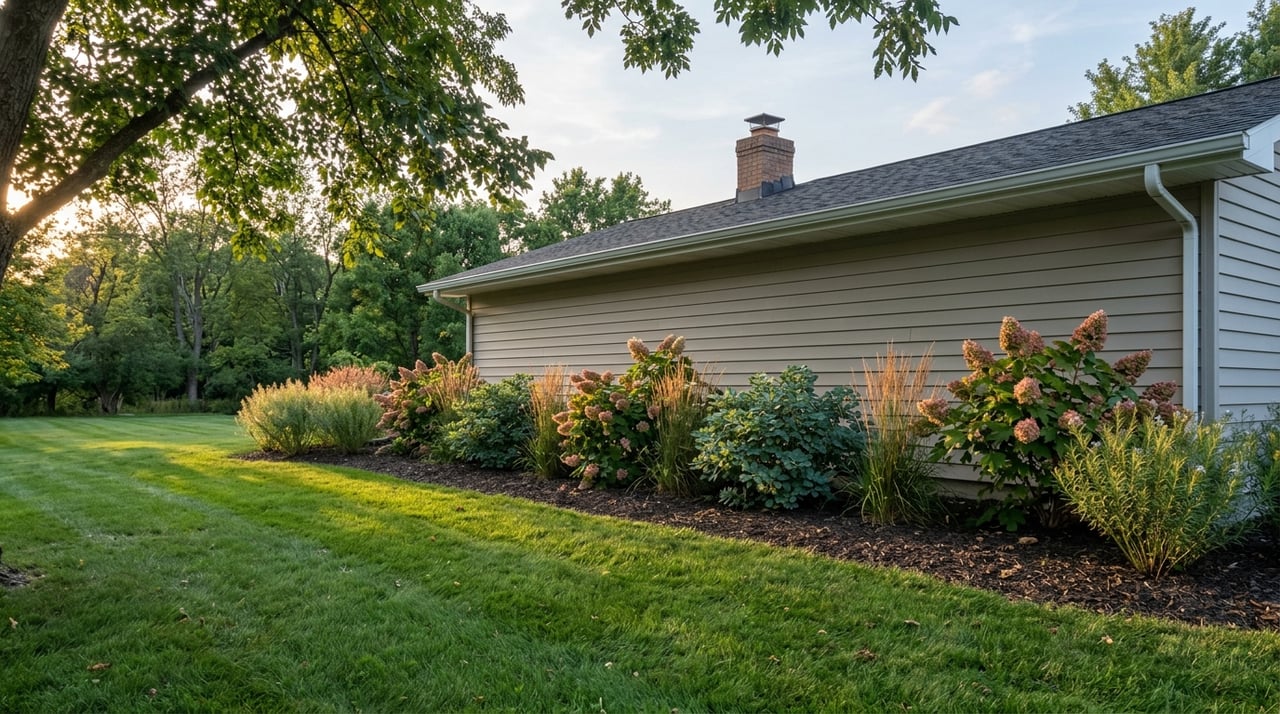
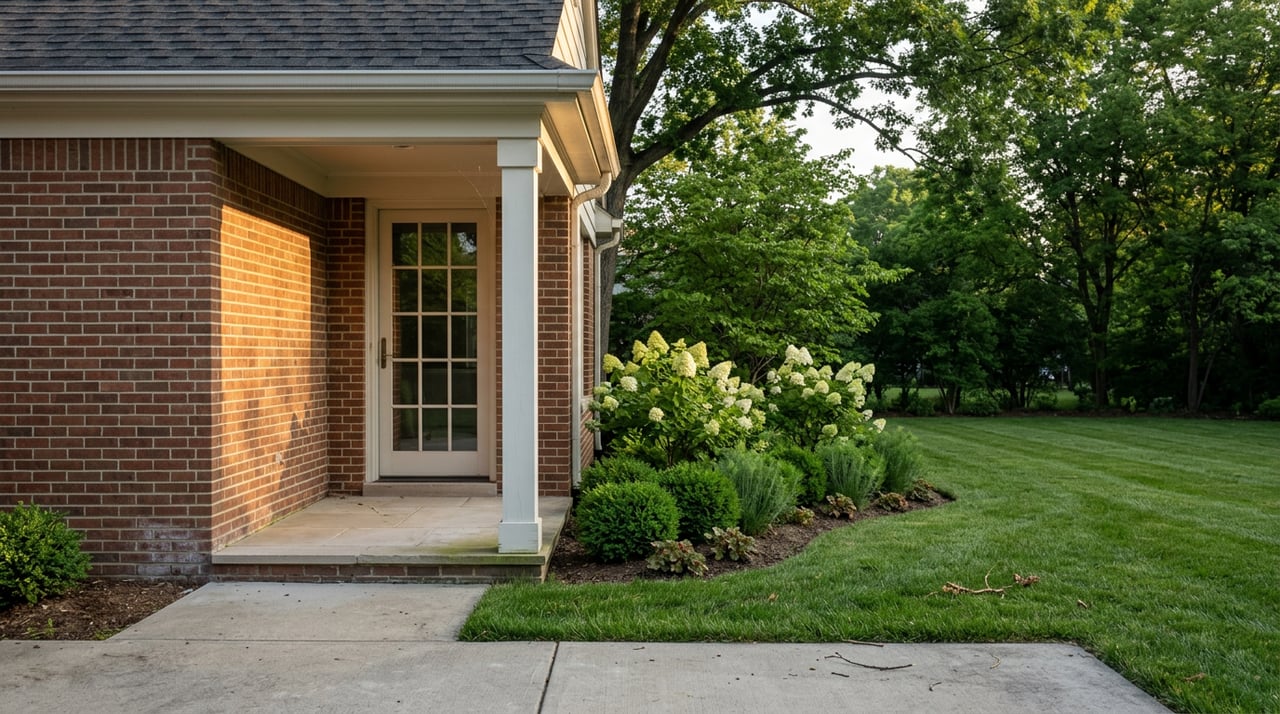
- Curb appeal: fresh mulch, trimmed landscaping, clean walkways, and a welcoming front door
- Paint and lighting: neutral paint and modern, bright fixtures make rooms feel larger
- Kitchen and baths: small updates like hardware, faucets, or countertops can punch above their cost
- Systems: a pre‑listing inspection for roof, HVAC, electrical, and sewer can reduce surprises and speed negotiations
Staging that connects
Professional staging helps buyers picture daily life in the home, which matters more at higher price points. If your home will be vacant, consider virtual staging to showcase layout and scale online.
Marketing must‑haves
Buyers expect high‑quality photography, floor plans, and video tours. For larger lots, aerial footage can add context. Highlight neighborhood assets like parks, paths, Chesterfield Valley amenities, and commute access along Highway 40 and Route 141. If schools are important to your buyers, note the districts factually and advise them to verify boundaries.
Appraisal awareness
- Price with enough recent comps to support the contract price
- Provide a clear list of upgrades and dates for the appraiser
- Be ready with backup comps if the appraiser needs context on condition or location features
Your timeline and checklist
Use this framework to plan, then adjust to your home and price range.
- 3 to 6 months before listing: Meet with a local agent for a pricing plan, request a preliminary valuation, and talk to a lender about buying power, reserves, and bridge or HELOC options.
- 6 to 8 weeks before listing: Declutter, tackle cosmetic repairs, and schedule staging and photography. Consider a pre‑listing inspection for major systems.
- 2 to 4 weeks before listing: Finalize your price strategy and launch date, confirm marketing assets, and line up showings and open house plans.
- On market: Require buyer preapproval with offers. Compare offers on both price and terms, including contingency timing, kick‑outs, and potential rent‑backs.
- Under contract: Coordinate closing dates for both transactions, confirm movers and storage, and keep tight communication with your lender, title company, and agent.
- After closing: Complete the final walk‑through, transfer utilities, and save receipts for capital improvements for future tax records.
Net proceeds and taxes
Budget for the main cost buckets: agent commissions, closing costs, prorated taxes and utilities, and any concessions or repair credits you agree to during negotiations. For many sellers, the federal primary‑residence exclusion helps. In general, up to $250,000 of gain for single filers or up to $500,000 for married filing jointly may be excluded if you meet eligibility rules. Talk with a tax advisor about your specific numbers and any Missouri tax considerations.
Local insights that matter
- Submarket mix: Chesterfield has established neighborhoods as well as newer construction near Chesterfield Valley. Your competition can change by price point and age of home, so compare like to like.
- HOA and municipal rules: Check HOA approvals and local regulations for exterior changes, fences, or rentals if you plan a rent‑back.
- School district boundaries: Chesterfield addresses can map to different districts. Reference them factually and invite buyers to verify boundaries directly with the district.
- Seasonal timing: Activity often rises in spring and early summer. If you need to hit a specific window, start prep early so you can launch in the best week for your segment.
- Corporate relocations: Chesterfield draws transferees who value convenient commutes and coordinated closings. Clean timing and strong documentation can attract these buyers.
If you want a clear plan tailored to your home, your price band, and your timing, the Julie Moran Team can help you map every step from valuation to closing. We will price to the market, advise on high‑ROI prep, and coordinate both transactions so you move once and net more. Connect with the Julie Moran Team to Get Your Free Home Valuation.
FAQs
Should I accept a contingent offer on my Chesterfield home?
- It depends on market strength at your price point and the quality of the buyer’s plan. Ask for lender preapproval, proof that the buyer’s home is listed and well priced, short contingency timelines, and a kick‑out clause to protect your momentum.
How do today’s mortgage rates affect my move‑up plan in Chesterfield?
- Higher rates reduce buying power, especially for upper‑tier homes, which can slow demand and increase negotiation on repairs or credits. Price to recent comps, focus on condition, and consult a lender early so your next purchase stays within budget.
What should I fix before listing a move‑up home?
- Prioritize safety and major systems, then easy wins like paint, lighting, curb appeal, and modest kitchen or bath refreshes. A pre‑listing inspection can surface issues early and help you avoid stressful renegotiations.
How long will it take to sell and buy another home in Chesterfield?
- A common path is 6 to 12 weeks for prep, 30 to 60 days to go under contract depending on your segment, and 30 to 45 days to close. Build in time to coordinate your purchase and consider rent‑back options if needed.
What lets me buy first and sell later without two moves?
- Bridge loans and HELOCs can fund the gap, and rent‑backs can give you time after closing. Each option has costs and qualification rules, so review them with a lender and choose the structure that best fits your timeline and risk tolerance.