Discover Kirkwood's Most Walkable Neighborhoods for Commuters
May 7, 2026
May 7, 2026
If you want a suburb where you can leave the car parked for coffee, dinner, the farmers market, or a quick trip to the park, Kirkwood deserves a closer look. For many St. Louis buyers, the goal is simple: keep the space and charm of suburban living without giving up everyday convenience or a workable commute. The key is knowing that walkability in Kirkwood is strongest in specific pockets, not across the entire city. Here’s where commuters tend to focus, what you can expect from the housing stock, and how the commute piece really works.
Kirkwood has commuter roots built into its story. The city says it was established in 1853 as the first planned residential commuter suburb west of the Mississippi, and that history still shows up most clearly near downtown.
Today, Downtown Kirkwood is a 16-block pedestrian-friendly district with more than 100 specialty shops and restaurants. That gives you a more village-like feel than many suburban areas, especially if you want errands, dining, and weekend activities within a short walk.
Kirkwood also adds a strong park component to daily life. The city reports more than 300 acres of parkland, including Kirkwood Park, which offers amenities like an aquatic center, ice rink, outdoor amphitheater, ball fields, tennis courts, picnic sites, and playground areas.
The big takeaway is this: Kirkwood can offer a nice mix of charm, access, and commuter practicality, but the experience changes a lot by location. If walkability matters to you, the exact block matters.
If your priority is a true car-light setup, Downtown Kirkwood is the clearest fit. This area centers around the historic train station, Station Plaza, local shops, restaurants, and the farmers market, making it the strongest everyday walking environment in the city.
This is the part of Kirkwood where you are most likely to step outside and reach multiple destinations on foot. For buyers relocating from more urban neighborhoods, or for anyone tired of driving for every small errand, that can be a major lifestyle upgrade.
Housing here tends to include condos, townhomes, and some higher-priced single-family options nearby. Recent examples in the research included a downtown one-bedroom condo listed at $284,900 and a Station Plaza townhouse last listed at $569,900.
That range shows why downtown appeals to different buyers. You may find an attached home at an entry point below many detached properties, or pay more for extra square footage and a closer-in location.
Downtown Kirkwood tends to work well for buyers who want:
If you love older homes and classic architecture, Jefferson-Argonne and nearby historic blocks deserve attention. The city identifies Jefferson-Argonne as one of Kirkwood’s historic districts, with many homes dating from the late 1800s through the 1940s.
This part of Kirkwood offers a different kind of walkability. Instead of a more compact condo or townhome feel, you get established streetscapes, older homes with character, and proximity to downtown amenities.
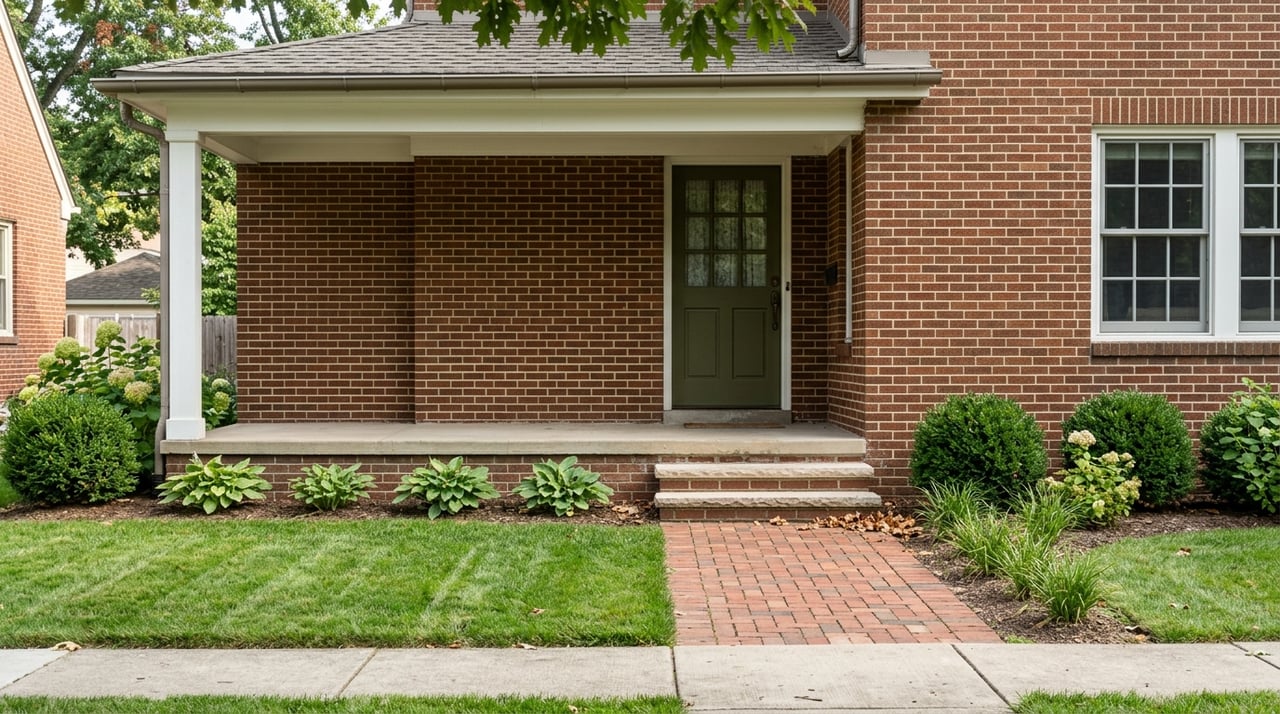
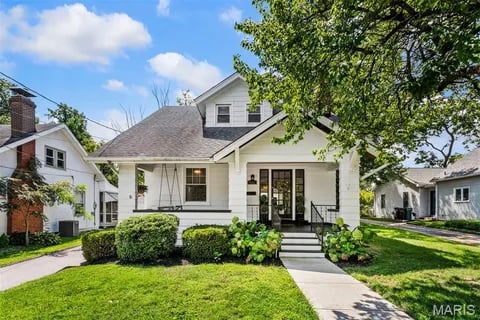
The city’s historic guidance shows the range of styles you can expect in Kirkwood’s older areas, including bungalows, Craftsman homes, American Foursquares, Colonial Revival, Prairie, and Tudor Revival homes. In practical terms, that often means front porches, brick exteriors, original millwork, and details that buyers cannot easily replicate in newer construction.
Pricing in these historic, downtown-adjacent areas can rise quickly. The research included examples from the mid-$600,000s up to several million dollars, including a Colonial Revival home in Jefferson-Argonne listed at $2.2 million.
Character often comes with added rules. Kirkwood has nine local historic districts, and demolition or new construction in those districts is subject to Landmarks Commission review.
That does not make these neighborhoods less appealing. It simply means you should understand early on how much flexibility you want if you are considering major exterior changes, additions, or redevelopment.
For many buyers, the sweet spot is near Kirkwood Park. Homes and condos around the park can offer a nice blend of outdoor access and proximity to downtown.
This pocket is especially appealing if you want walkability that includes recreation, not just retail and restaurants. Being able to reach a major park, community amenities, and downtown blocks within the same general area gives this part of Kirkwood a well-rounded feel.
A recent example from the research was a condo at 450 W Adams Ave #26 that sold for $284,900 and was described as being across from Kirkwood Park and blocks from Downtown Kirkwood. That is a useful snapshot of the park-plus-downtown lifestyle many buyers are after.
If your weekly routine includes walks, outdoor time, community events, and easy access to local businesses, these park-adjacent blocks can be worth a serious look.
This is where honest expectations matter. Kirkwood has some highly walkable pockets, but it is not accurate to treat the whole city as uniformly walkable.
According to the city, Southeast Kirkwood faces real connectivity barriers to downtown, including Big Bend, Kirkwood Road, the BNSF railroad, and I-44. Those barriers can make walking and biking to downtown more difficult.
That distinction is important if you are shopping online and assuming every Kirkwood address delivers the same lifestyle. In reality, the difference between being close to downtown or the park and being separated by major roads can change your day-to-day routine in a big way.
Kirkwood’s commuter appeal is real, but it is important to describe it accurately. This is not a suburb with direct MetroLink rail service in its downtown core.
Instead, Kirkwood supports commuting through bus connections to nearby MetroLink stations. MetroLink operates 46 miles of rail across 38 stations, seven days a week, from before 5 a.m. to about 1 a.m. daily.
For Kirkwood-area commuters, Route 21 Watson Road and Route 56 Kirkwood-Webster connect to the Shrewsbury-Lansdowne I-44 station. Route 49 Lindbergh serves Big Bend & Kirkwood and Clayton & Lindbergh.
Nearby stations such as Shrewsbury-Lansdowne I-44, Brentwood I-64, Clayton, and Cortex help open access to major employment areas. That can make Kirkwood a practical option if you work in Downtown St. Louis, Clayton, the Central West End, or Cortex and want an alternative to a daily solo-drive commute.
If commuting matters, think in terms of bus-to-rail convenience, not just straight-line distance on a map. A home that feels close to downtown Kirkwood amenities may also align better with your transit routine than one that is technically in Kirkwood but farther from the more connected pockets.
It is also smart to test the lifestyle, not just the route. Try visiting at the times you would actually commute, then walk the area to see whether the daily flow feels comfortable for you.
One of the clearest patterns in the research is that walkability often carries a premium in Kirkwood. The citywide market snapshot is meaningfully lower than the pricing seen in Downtown Kirkwood.
For broader context, the research cited a March 2026 median sale price of $435,000 in Kirkwood and an average home value of $462,235. By comparison, Downtown Kirkwood showed a much higher median sale price of $825,000.
That gap matters if you are setting expectations. In Kirkwood, buyers often pay more for a location near downtown, the park, or historic blocks with stronger pedestrian access.
Here is a practical way to think about the current ranges mentioned in the research:
This is one reason buyers benefit from narrowing priorities early. If your must-have list includes walkability, historic charm, and a short commute path, you may need to be flexible on size, updates, or price.
The most walkable parts of Kirkwood tend to appeal to a few common buyer types. You may feel especially drawn here if you want suburban space but still value being able to move through part of your day on foot.
These neighborhoods often stand out for:
The right fit comes down to your version of convenience. Some buyers want to walk to dinner. Others want to walk to green space, community events, or a quick coffee before catching a bus connection.
If you are serious about finding a walkable Kirkwood home, focus less on the zip code and more on the micro-location. In a market like this, a few blocks can make a real difference.
As you compare homes, ask yourself:
That kind of clarity helps you avoid overpaying for features you do not need or overlooking a pocket that fits your routine better.
If you want help comparing Kirkwood neighborhoods, understanding current pricing, or narrowing in on the blocks that best fit your commute and lifestyle goals, the Julie Moran Team can help you make a confident move with clear, local guidance.
October 1, 2026
September 24, 2026
September 17, 2026
September 15, 2026
City, County, or St. Charles? Your Local's Guide to Living in Greater St. Louis

September 10, 2026
September 3, 2026
August 27, 2026
August 20, 2026
August 13, 2026
When selling or buying a home, every single one of your concerns matters. Julie Moran Team's greatest source of pride is listening to their clients. They will guide you in the right direction. They are on your side. Julie Moran Team's greatest wish is that your real estate dreams materialize.
16505 Wild Horse Creek Rd Chesterfield MO 63017